Fire and carbon monoxide (CO) alarms are vital to home safety. While designed to last, their effectiveness declines over time due to sensor degradation, environmental factors, and component wear. This can mean the difference between a safe escape and disaster. Leading UK alarm manufacturers recommend replacing alarms every 10 years to ensure continued protection.
Why Do Fire & CO Alarms Expire?
Sensor Degradation: The core of every alarm is its sensor, which detects smoke or CO. These rely on chemical or physical processes that weaken with age, reducing the sensor’s ability to respond to danger. Even without visible damage, this decline can leave you unprotected.
Environmental Contamination: Cooking fumes, dust, and humidity accumulate inside alarms, coating sensors and reducing sensitivity. While cleaning can help, this build-up eventually leads to unreliability and false alarms.
Wear and Tear: Electrical components such as capacitors and wiring degrade with time. This can result in malfunctions, even if the alarm appears to be working.
Maintenance Matters
Routine cleaning and testing are essential throughout an alarm’s lifespan. Aico recommends:
· Using a cool hairdryer or compressed air to remove dust.
· Cleaning vents with a vacuum nozzle.
· Wiping the exterior with a damp cloth, followed by drying with a lint-free cloth.
· Testing alarms monthly for functionality.
Despite maintenance, alarms should be replaced every 10 years to ensure reliability.
What Do Safety Guidelines Say?
There’s no legal mandate to replace alarms every decade, but safety organisations like the National Fire Chiefs Council (NFCC) support following manufacturer guidelines. Aico and similar companies design alarms to be replaced before performance declines.
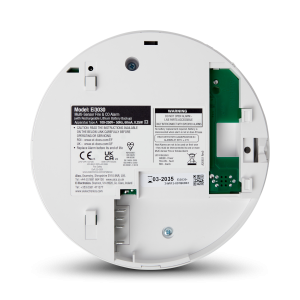
To check the replacement date, locate the date-code label on your alarm. This includes a four-digit code indicating the year and week of manufacture. Above it, the “Replace By” date ensures you know when to upgrade.
Risks of Not Replacing Alarms
Old alarms may not detect fire or CO effectively, giving you less time to escape in an emergency. They’re also more prone to false alarms due to contamination. This desensitises users and can lead to real warnings being ignored. Batteries, even in mains-powered alarms, degrade over time as well.
How to Stay Protected
Know your alarms’ age and check their condition. When replacing, choose alarms appropriate for each room. BS 5839-6 provides guidance on alarm placement for different property types and risk levels.
Visit Aico’s Product Selector to explore suitable options, including the advanced 3000 Series of single and multi-sensor alarms. These provide comprehensive protection and are available in battery-powered or hard-wired options.
If unsure, consult an approved Aico stockist or expert for tailored advice.
Replacing Alarms: A Quick Guide
For alarms with an Aico easi-fit base, replacement is simple, no rewiring needed. For mains-powered alarms:
1. Turn off the mains power (check the green light is off).
2. Insert a flat-head screwdriver into the “T” shaped slot on the side of the alarm.
3. Slide the alarm off the base.
4. Align and slide the new alarm into place until it clicks.
5. Turn power back on and check the green light.
6. Test the alarm using the front button.
For battery-powered alarms or if you’re unsure, consult an Aico Expert Installer. These professionals are trained to install fire and CO alarm systems safely and effectively.
Ignoring old alarms compromises your home’s safety. Replacing them proactively ensures optimal protection, avoids false alarms, and gives peace of mind.
Check your alarms today, confirm their age, and explore the latest technology to upgrade your home’s safety.