The world of interior design is one that’s constantly changing, as different styles and trends pick up and down in popularity. As different styles get picked up and gather momentum, it’s only natural the market becomes more saturated and trends become tired. Here are the key trends you may want to avoid this year to keep your space feeling modern and inviting:
The End of All-White Interiors
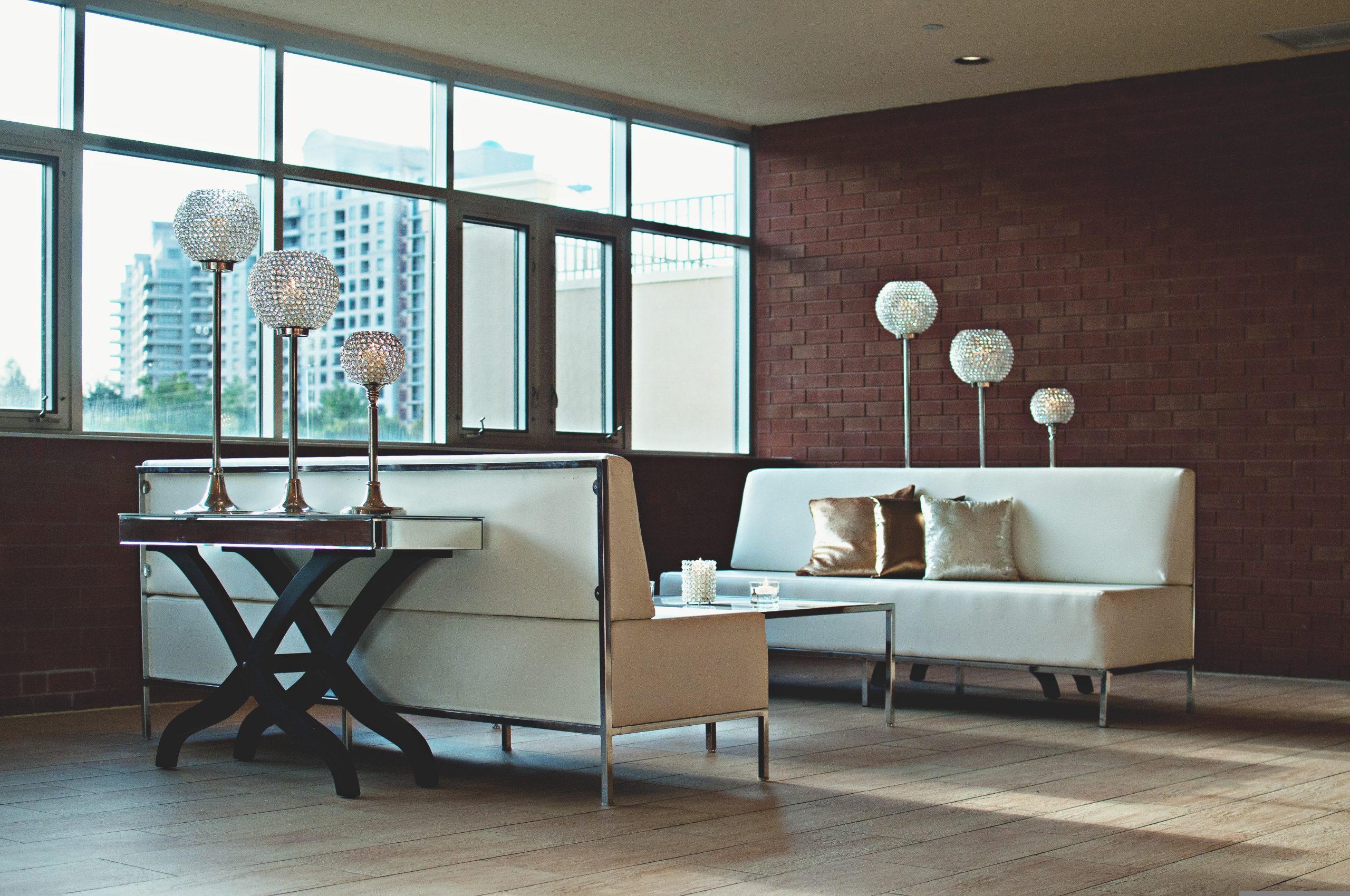
The all-white interior, once a hallmark of minimalism, has begun to feel cold and impersonal. Especially in bathrooms and kitchens, this once stylish design choice can create a sterile atmosphere, and although the sleekness of the choice hasn’t changed, an over-abundance of these surgery-like spaces has meant that the aesthetic has grown lethargic. In 2025, designers are turning toward warmer, layered palettes that bring comfort and character into the home, with soft earthy tones, natural textures, and varied finishes offering a more lived-in and welcoming feel.
Moving Past Modern Farmhouse
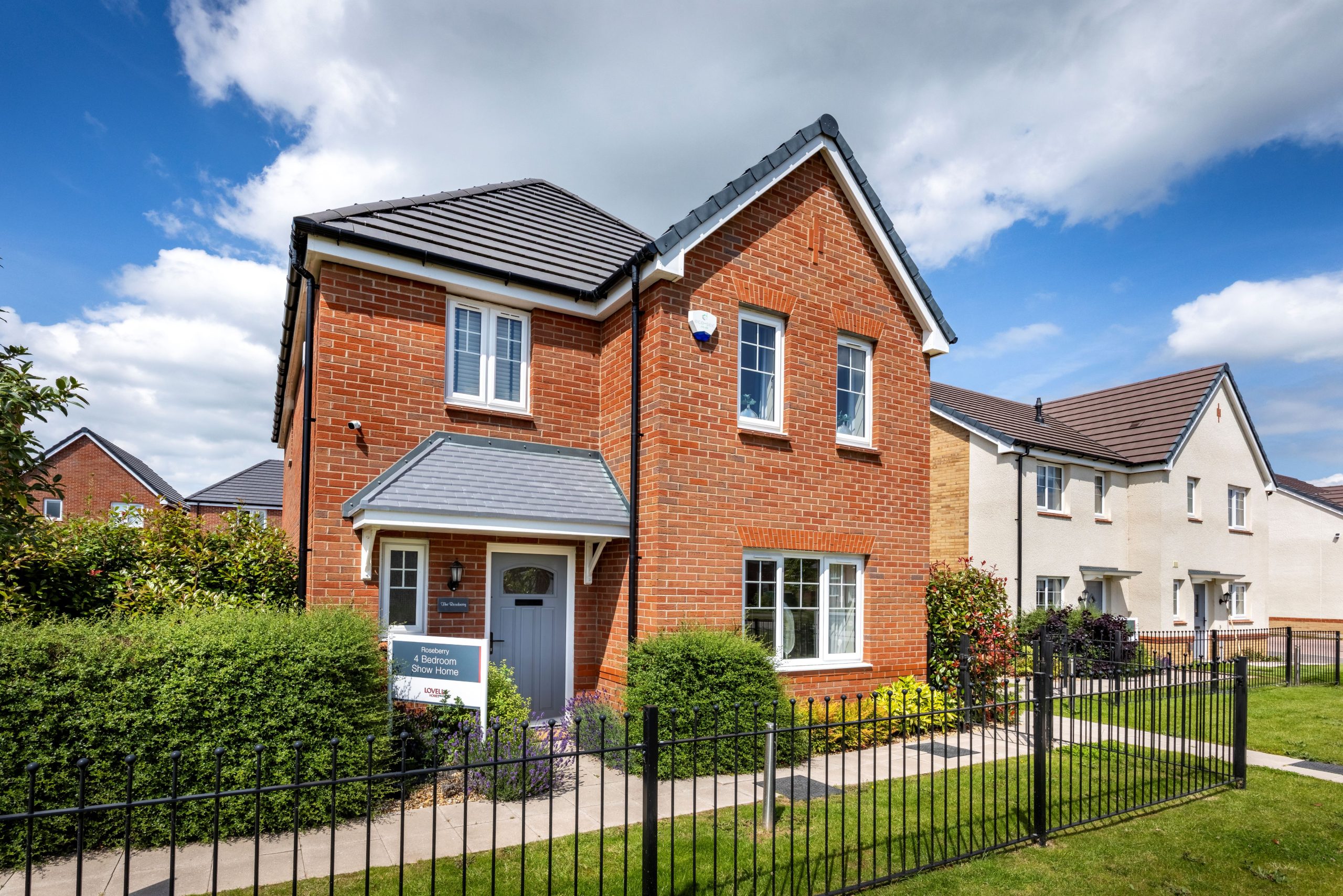
Popularized over the past decade, this style often features shiplap walls, barn doors, and distressed wood finishes, aiming to create a rustic and warm atmosphere. While charming in rural settings, it has become overly generic and predictable, with the same repetitive conventions beginning to rub designers the wrong way. Although the farmhouse style looks to create an authentic and lived-in ambience, the current landscape of interior design is on to more unique and innovative aesthetics to achieve the look.
Saying No to Fast Furniture
Fast furniture—cheap, mass-produced items designed for short-term use—is also falling out of favor. As sustainability becomes a key concern for homeowners, there is a growing preference for investment pieces that are built to last. In today’s interior design world, you should look at your furniture not as objects of utility, but personality pieces that are there to create atmosphere and tone as much as the layout of the room itself. This move signifies a more socially conscious approach to design, opting rather to give forgotten or vintage furniture pieces a second lease of life rather than going for the cheaper, modernised equivalent.
Grey Fatigue
Once the colour of choice for a neutral, stylish colour palette, over use of grey has led designers and homeowners alike to grow tired of the lack of personality in the look. Tying in with the end of the all white interior, these examples show the dangers of going all in with a single colour approach, and how the fickle nature of trends can come to backfire should you jump into it with both feet. In their place, designers are introducing warmer hues like terracotta, olive green, and sandy beige, which add depth and a sense of connection to nature, doing a full 180 from the unnatural and professional look that monotone grey and white rooms were once favoured for.
Stick To Your Guns
All of the examples listed here are real evidence of the dangers of jumping on to trends without considering longevity. While it pays to be in the know when it comes to the styles of today and which looks are more popular, the important thing is to remember your home should be a representation of you, and regardless of which trends are in or out, how you feel with your interior is the real bottom line.