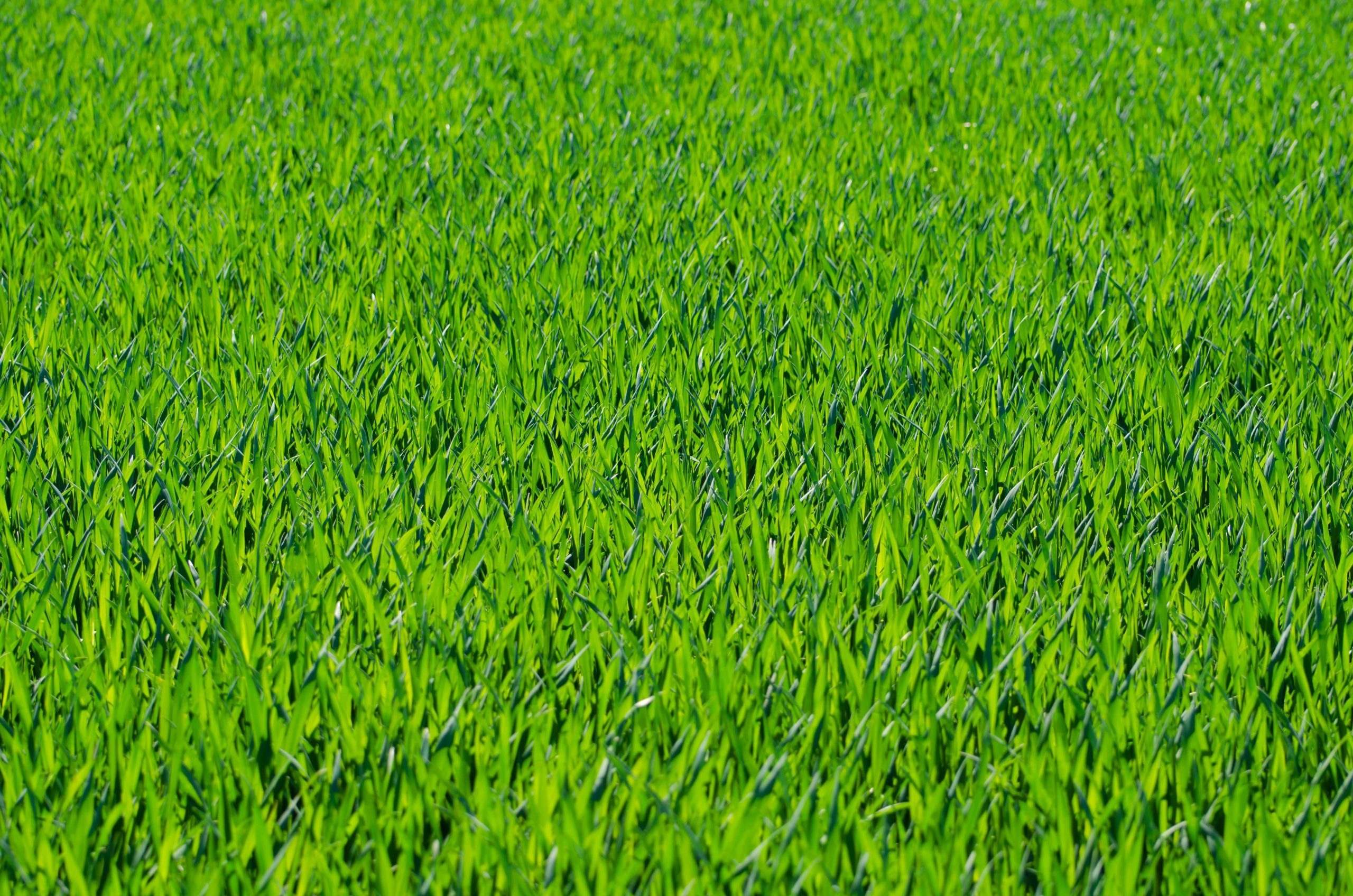
Summer is fast approaching, and with the warmer weather and extra hours of sunshine, many of us will be heading out to enjoy precious time in our gardens. But is your dull, lifeless, and off-colour lawn getting you down? A garden can only bloom to it’s full potential with a vibrant and healthy foundation, and for that reason we’re going to go through some of the best ways you can make sure the grass is always greener on your side.
Feed Your Lawn
Applying a high-quality fertiliser is one of the most effective ways to keep your lawn lush. However, timing is key, and grass should only be fed during the active growing periods—once in Spring and again in Autumn.
Spring fertilisers are rich in nitrate, promoting vigorous, green growth by boosting chlorophyll production—essential for photosynthesis. Autumn fertilisers, while less dramatic in visual effect, work beneath the surface by strengthening roots and improving the lawn’s resistance to frost and disease.
Make Sure Your Blades are Sharp
A dull mower blade can tear grass rather than slice it cleanly, leaving ragged edges that turn brown and struggle to heal. To maintain a healthy cut and vibrant lawn, sharpen your mower blades at least once per growing season. A dedicated sharpening tool is your safest and most efficient option.
Dethatch for Better Absorption
Thatch, a layer of dead organic matter, can act as a barrier between your grass and the soil. If left unmanaged, it prevents water, nutrients, and oxygen from reaching the roots. A sturdy garden rake is all you need to dethatch effectively and encourage thicker, healthier growth.
Water During Dry Spells
Though UK lawns usually benefit from regular rainfall, extended dry periods in summer can lead to yellow, brittle grass. Water your lawn once daily, especially during heatwaves, early in the morning or late in the evening to make sure your grass does not grow dehydrated and malnourished.
Target Weeds and Moss Strategically
Common intruders like dandelions, daisies, and moss compete for space and nutrients, dulling your lawn’s colour and health. For best results, pull weeds by hand (roots and all), and although this may be time-consuming, getting the job done right and making sure your garden is free of pests makes attention to detail well warranted.
Although it’s easy to get lost in ideas of extravagant, head-turning plants for your garden that can serve as centerpieces for your display, it’s important to remember the basics, and without a healthy base of luscious green grass, you’ll never be able to tie your whole arrangement together. Follow these simple steps, and you should have a stable, healthy foundation for your garden that’s ready to flourish.