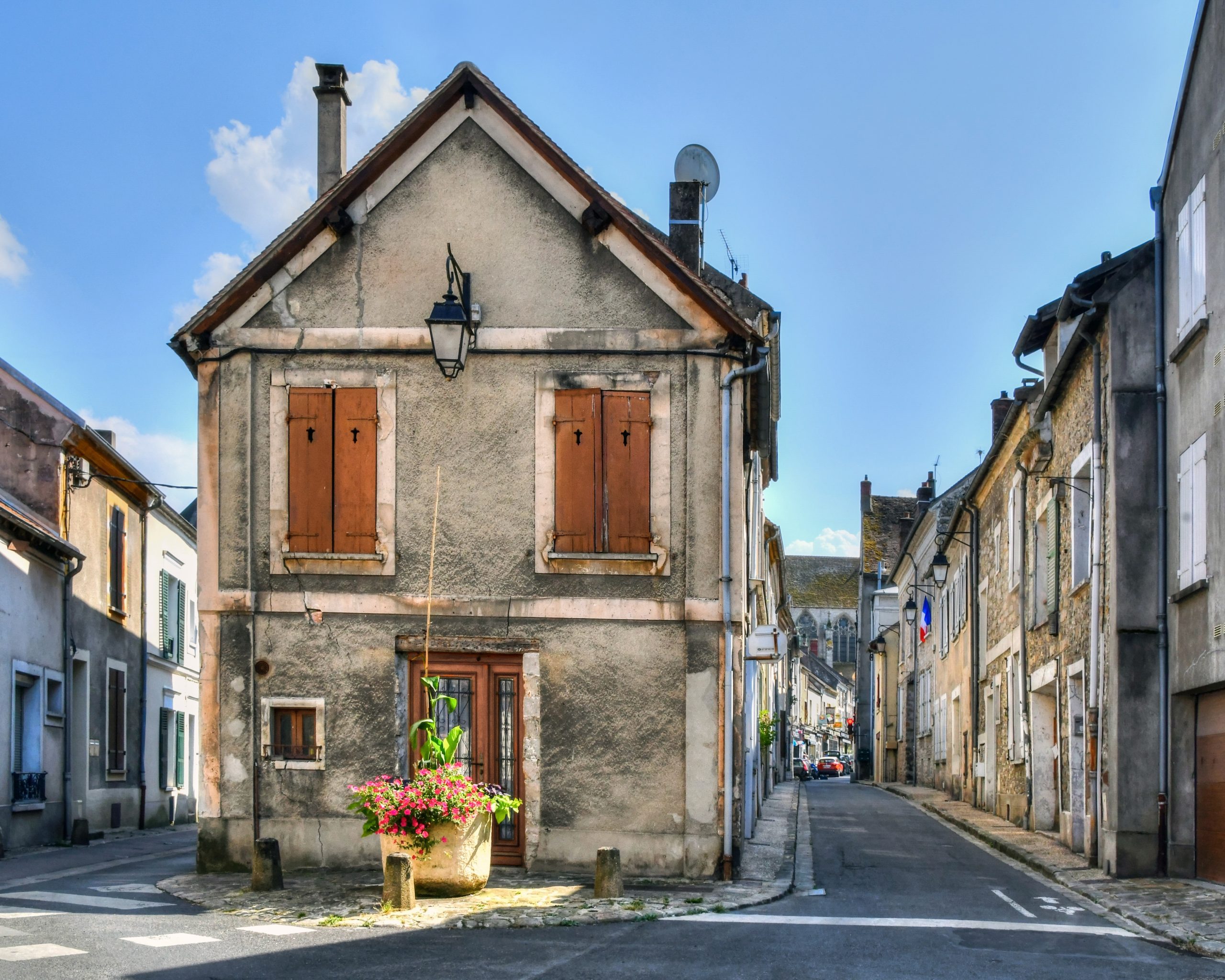
Research from health.org has revealed that around 14% of homes across the UK are officially classed as non-decent, with older properties being in the poorer conditions, a total of 32% of homes being built before 1919 being non-decent.
However, with older builds in particular, many of these faults go initially unnoticed during the buying process. With that in mind, the experts at chartered surveyors Stokemont have revealed the hidden features to look out for when buying an older property.
Bradley Mackenzie, RICS accredited valuer, at chartered surveyors Stokemont has shared his expert insight around things to look out for when considering an older property, and how much it may set you back.
Structural Issues
Even the most well-built homes aren’t immune to the passing of time, and nature wears down all walls eventually. Due to this, older homes are inevitably more prone to core structural issue such as cracks, moisture and dry rot.
Structural damage is no small fix, and on average can cost around £13,500, so its vital you do a thorough inspection (or two) of the structural condition of any home before you purchase. Home insurance typically does not cover these types of factors, always remember to consider repair costs in your offer price or ask the seller to address the problems before agreeing to buy.
Pest Control
Older homes also run the risk of gathering unwelcome guests, who in many cases have no intention of leaving. For the same reasons as why the erosion of structural components is an inevitable factor for older homes, denizens of the natural world may well take advantage of any flaws or openings present and before long a home can find itself with a whole host of unwelcome squatters, these can include:
- Termites, which can damage wood and wood products.
- Overwintering insects, like cluster flies, boxelder bugs, carpet beetles, stink bugs, and lady beetles that come in to avoid the winter weather.
- Carpenter ants that build nests in soft, damp, or dead wood.
- Vertebrate pests, like rodents, birds, and other urban wildlife. They can damage the structure, chew electrical lines, and introduce other pests, like fleas, ticks, and mites.
Depending on the type of pest, prices can vary. For example, wood-boring insects could cost around £1,000 to treat and repair, whilst rat extermination on average could cost £180.
Risk to roofing
Deteriorating roofs can present serious issues for an older property, and as such the cost for remedying extensive roof damage can be a major blow to any budget. This can vary however, and the importance of being fully aware of the condition of your roof is paramount, catching flaws and issues with roofing will help keep costs to a minimum.
Some of the most common indicators are missing or damaged shingles, crumbling roof cement, bowed or sagging gutters, persistent moisture in the attic, evidence of water damage in the upper floors or critters in the attic or upper crawlspaces. Before buying an older home, assess the roof’s age and condition to the best of your ability, or consider hiring a roofing inspector.
Bradley Mackenzie, RICS accredited valuer, at chartered surveyors Stokemont commented:
“While many older homes have attractive period-specific elements that are aesthetically pleasing and could add value to the property, others come with a myriad of unwanted setbacks.
“When contemplating any home built to standard requirements, find out as much as you can about the materials, labour, and construction company’s processes. Even though an older home may be constructed more durably, and host a more appealing architectural style, most homes before 1940 come with damages, furry friends and may lead to a significant loss for your pocket. Conducting thorough inspections before investing is key to preparing your new, vintage home.”