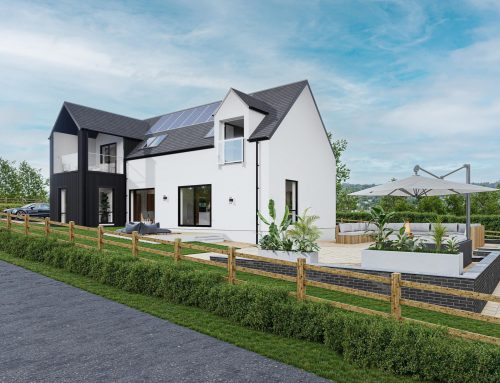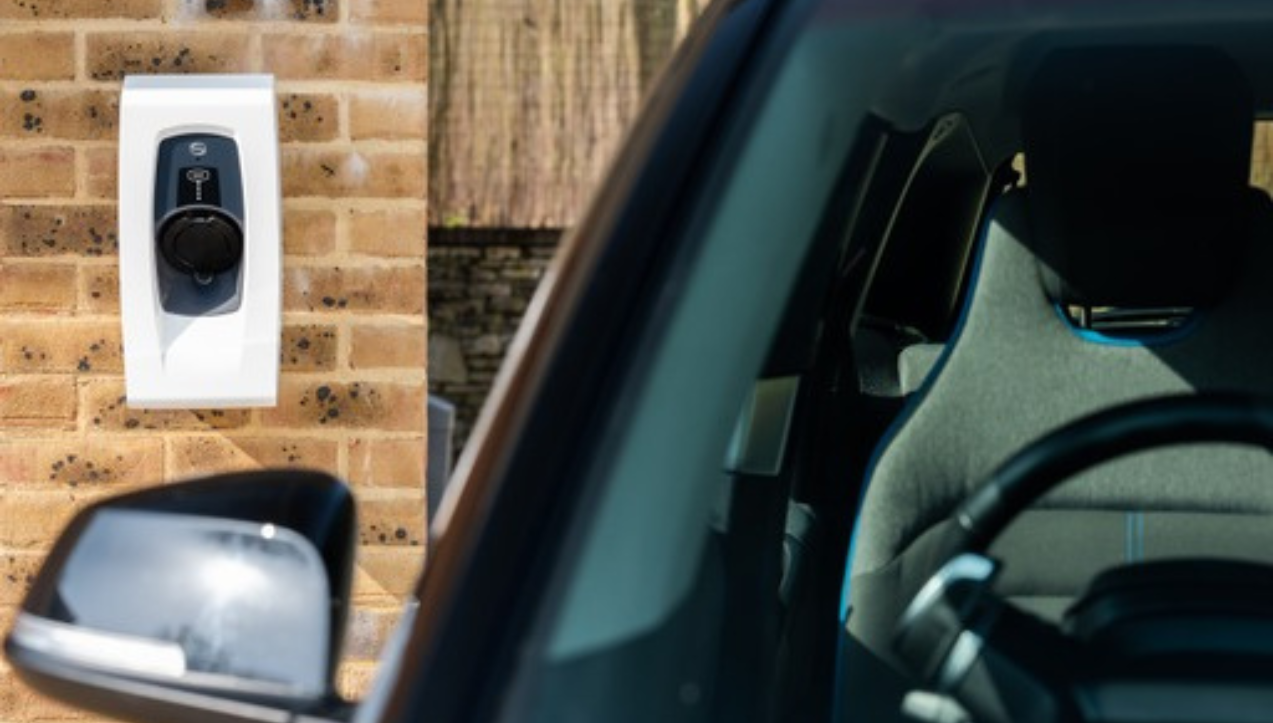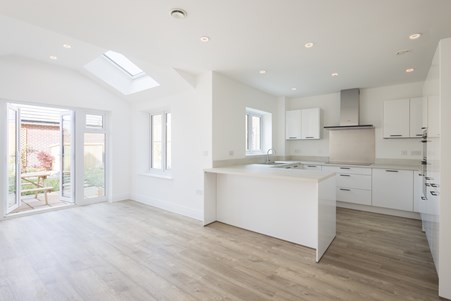
The Cala Homes project aims to demonstrate the developer’s commitment to sustainable construction and net zero principles.
Residents will soon move into the four-bedroom property, offering the opportunity to learn about the technical viability and user experience of sustainable technology in a ‘lived in’ home.
Through monitoring data, including qualitative feedback from the residents gathered throughout the summer and winter months, the developer aims to gain valuable insights into the practicalities of implementing these technologies and, importantly, the user experience of sustainability features in an occupied home.
Cala Homes has worked with its subcontractor partners to bring together various technologies already trialled and implemented on its sites across the UK.
The sustainable features within the home have also been informed by desktop studies and initial comparative testing with the same Cala house type built to current regulations.
Steve Rule, Group Technical Director at Cala, said: “We have calculated that this home has the potential to use 95% less primary energy compared to the same Cala house type built to current regulations. Early comparative in-situ testing has seen a 40% better thermal performance than our current homes built to the latest regulations, even with all the advances and efficiencies of new homes today. This means it achieves a Heat Loss Parameter (HLP) which ranks it in the ‘excellent’ category of the heat loss scale.
“This is obviously significant for our customers, but it’s important that the customer experience is enhanced. Living in a net-zero-carbon enabled home should be seamless and that’s something we’ve strived to achieve here.”
The home has been built using modern methods of construction including timber frame and low carbon bricks and features triple glazing and enhanced insultation.
Other features include:
- PV panels
- PV hot water diverter
- Air source heat pump
- Battery storage
- Smart lighting
- Aerated shower
- Waste water heat recovery
- Under floor heating to both floors
- Mechanical ventilation heat-recovery system
Outside, biodiversity enhancing measures include bird and bat boxes, bug hotels, rain gardens, bat bricks, hedgehog highways, a dedicated vegetable patch, and home composting facilities, bringing Cala’s Urban Wildlife Strategy to life.
Kathryn Dapré, Head of Sustainability at Cala Group, added: “Our net-zero-carbon enabled home is a positive step forward in our sustainability journey, but what’s important to us is that we take customers on that journey with us. Our Hampton Lakes property therefore aims to integrate sustainable measures into a ‘real’, lived in home – to design the home around the customer, not the technology.
“Gathering real-life, real-time feedback from the people living in this home will help us to understand how the net-zero-carbon enabled home performs both in terms of reducing carbon emissions and for Cala customers.”