As the weather gets warmer, for anyone with a green thumb it only means one thing- making sure you’re garden is ready to blossom into life. However, what if your garden could bring more than just aesthetics? For anyone who’s also culinarily inclined, your garden provides an opportunity to not only arm yourself with a centerpiece to impress your friends over summer, but also access to home-grown and natural ingredients to include in your cooking!
No dish is completed without the right herbs and flavours, and we’ve compiled a list here of some of the best herbs you can grow at home, giving both your garden and your cooking that extra kick it needs to turn it into a real staple.
Basil
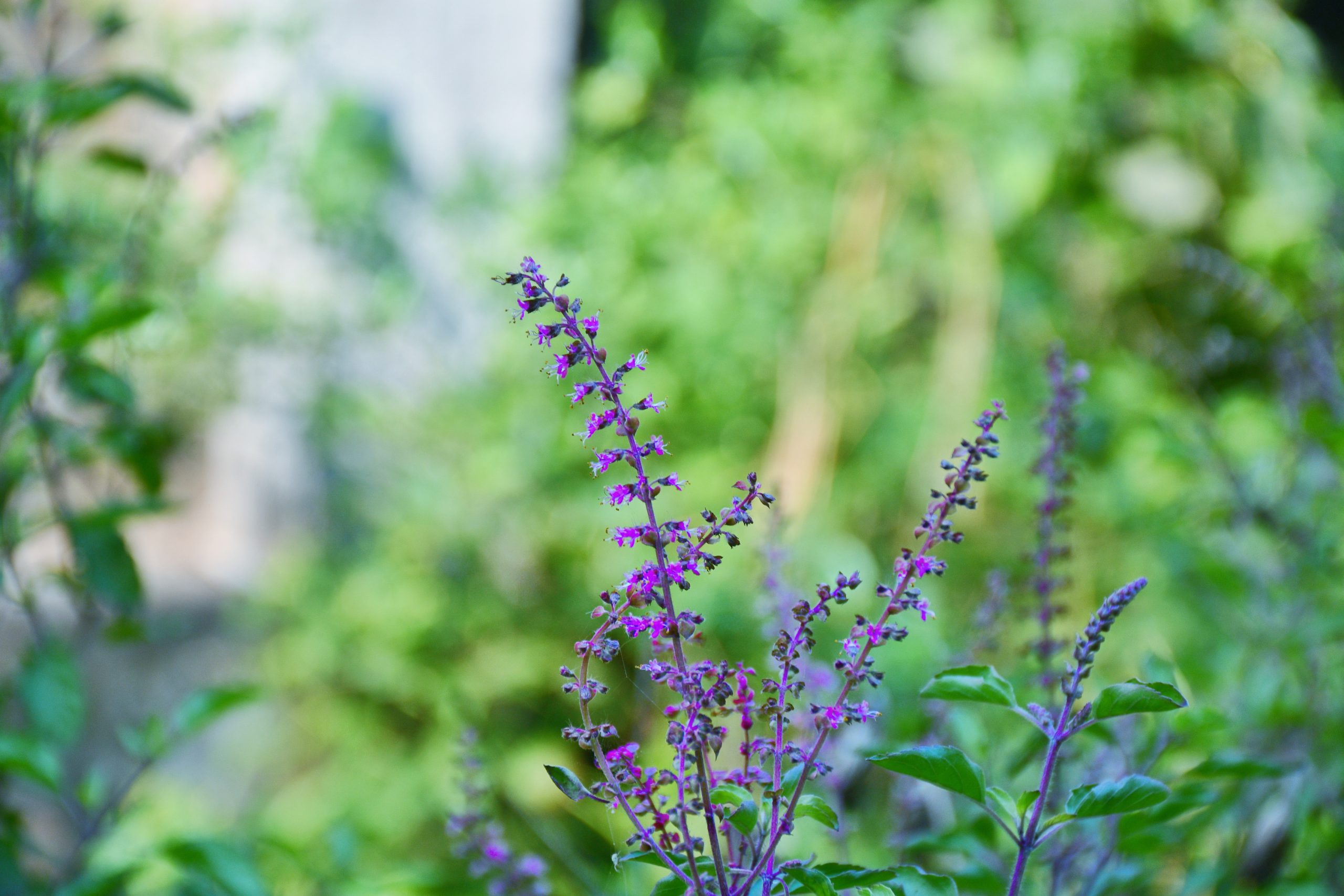
A staple of self-grown herbs, Basil is always near the top of people’s lists for most popular herbs to grow, which is no surprise given it’s versatility in the kitchen. It thrives in the warming days of late spring and rewards you with lush, aromatic leaves perfect for pesto, caprese salads, and sauces. In 2025, gardeners are exploring beyond the classic Genovese variety. Thai basil, with its spicy-sweet flavor, and Purple Ruffles, with its ornamental leaves, are trending.
Growing tip: Basil loves warmth and sun. Start seeds indoors and transplant once nighttime temperatures stay above 50°F (10°C). Harvest often to keep the plant from flowering and encourage bushier growth.
Chives
Another plant that’s as attractive as it is useful, Chives are a popular herb which will make a great addition to both your garden and your dishes this Summer. Their mild onion flavor makes them a great garnish for soups, eggs, and baked potatoes, as well as their attractive purple flowers being edible and attracting pollinators.
Growing tip: Chives thrive in full sun and well-drained soil. They’re perennials, so plant once and enjoy them year after year.
Mint
A vigorous grower, the biggest problem your likely to encounter with Mint is ending up with too much, a nice change from the stresses for many keen gardeners! To avoid cross-pollination and the herb encroaching on your other plants soil, plant them in containers to keep this tenacious herb at bay. Spearmint and peppermint are traditional favorites, but here’s a number of alternatives for this well-known favourite, a must-have for spring herbal teas, mojitos, and desserts.
Growing tip: Plant mint in containers to prevent it from overtaking your garden beds, and Keep it in partial shade for best results in warmer climates.
Thyme
Thyme is a small herb with big flavor. Its woody stems and tiny leaves make it ideal for stuffing poultry or infusing oils and teas. It’s also a hardy herb that doesn’t require much stress, as they are happy enough to grow without repeated exposure to moisture, a unique feature that makes it perfect for dryer spaces that wouldn’t suit many other options.
Growing tip: Plant in full sun with well-drained soil. Thyme doesn’t like to sit in moisture, making it a great choice for rock gardens or containers.
Oregano
A staple of Greek and Italian dishes, Oregano provides great health benefits as well as a flavoursome kick which compliments a wide variety of dishes. Another perennial, you can expect this garden staple to return annually without much stress.
Growing tip: Like thyme, oregano prefers dry conditions and plenty of sun. Trim regularly to prevent it from getting woody.
As the sun draws in and we look towards the warmer times approaching, why not use your garden to not only display the prowess for your green thumb, but also give you ingredients to make sure your snacks are the talk of the garden party!