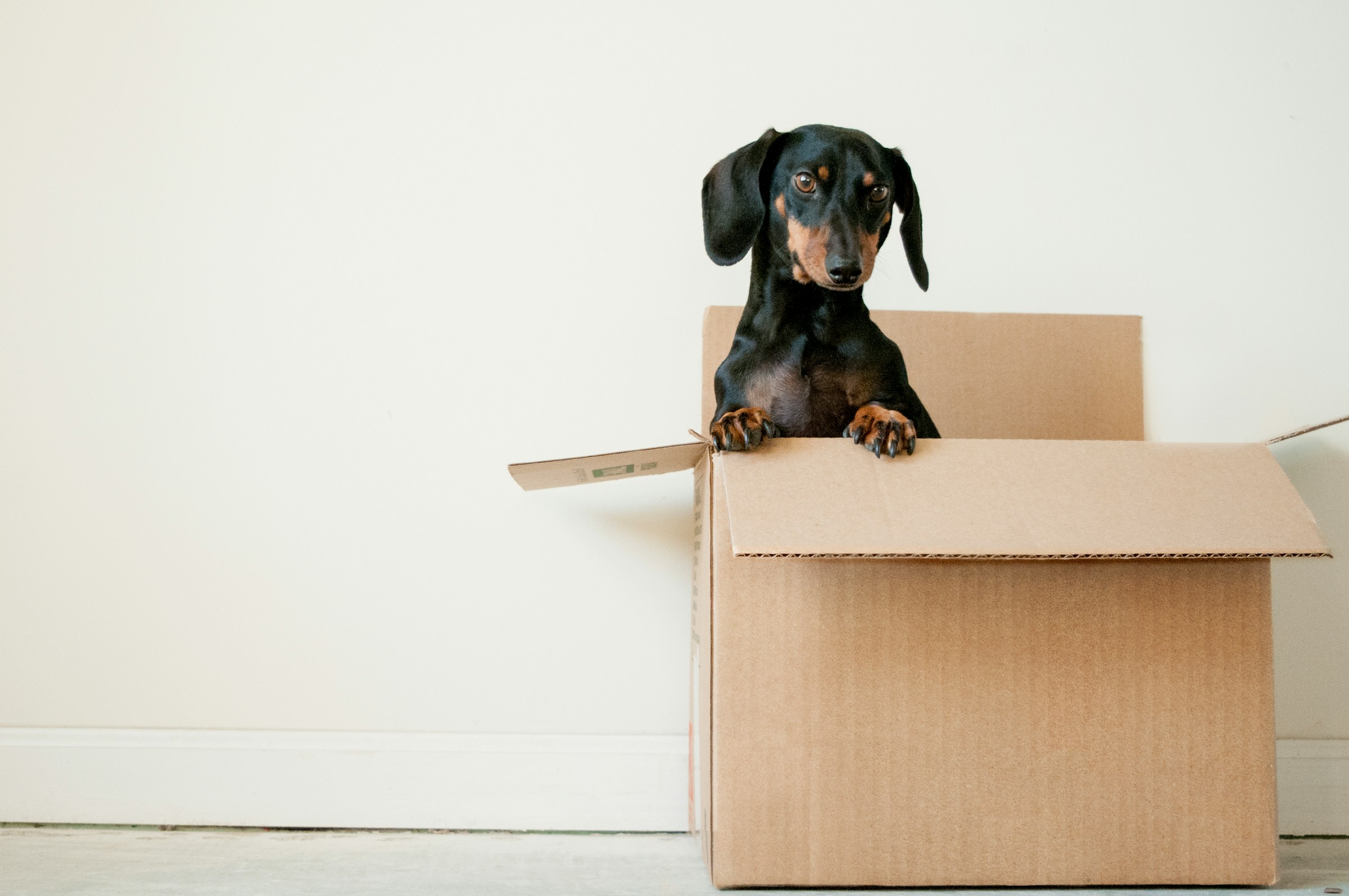
For anyone moving house, there’s no need to explain just how stressful it can be. Although the prospect of finally getting to your dream home is tantalising, and the feeling of finally kicking up your feet in your new home makes it all worth it, the moving process can often be filled with unexpected problems and last minute changes. With this in mind, it’s important to remember that moving house isn’t just stressful for us, but for our furry friends alike.
Our pets (quite similarly to us) are very reliant on routine, and big changes or shake ups in their day to day can be a big cause of stress for our animals. Although dogs might be the best at letting you know about it, it’s important to note this tress can affect animals of all shapes and sizes, and there are a number of measures you should take to make sure moving is as little of an ordeal as possible, for you and your pets.
Before the Move
Preparation is key. In the days and weeks leading up to your move, try to maintain your pet’s daily routine as much as possible. Regular feeding times, walks, and play sessions provide comfort and predictability amid the growing disruption of packing boxes and moving furniture.
It’s also a good idea to set up a quiet, secure space in your current home where your pet can retreat as activity increases. This safe zone will help reduce their anxiety as the house begins to feel less familiar. If your pet will be traveling in a crate, introduce it gradually and positively—let them explore it freely, and reward them with treats or toys so it becomes a reassuring space rather than a cause for stress.
One crucial overlooked step that is often overlooked is to update your pet’s microchip information with your new address and phone number. In the unlikely event they get lost during the move, this simple step can make a big difference in reuniting quickly.
On Moving Day
Moving day itself can be chaotic, so it’s important to minimize your pet’s exposure to the hustle and bustle. If possible, keep them in a secure and quiet room, or arrange for them to stay with a trusted friend or at a kennel for the day.
When it’s time to travel, ensure they’re comfortable. Whether you’re moving down the street or across the country, bring along familiar items like their favorite blanket or toy to provide a sense of home on the journey. For long trips, plan breaks so they can stretch, drink water, and exercise. It’s important to remember your pet has no clue where you’re going, for all they know this could be an especially eventful trips to the vet, so they’ll need lots of reassurance during the moving day.
Settling In
Once you’ve arrived at your new home, your first priority should be to create a familiar zone for your pet. Set up an area with their bed, food and water bowls, and toys in a quiet corner of the house. If possible, arrange these items similarly to how they were in your previous home. Familiar smells and layouts can go a long way in helping your pet to feel at home.
Stick to the routines your pet knows—regular feeding, walks, and play help them understand that some things haven’t changed. Introduce them gradually to the new home, starting with one room and expanding their access as they grow more comfortable.
Patience is essential during this adjustment period. Some pets may adapt quickly, while others need days or even weeks to fully settle. Be on the lookout for signs of stress, such as changes in appetite, excessive hiding, or unusual behavior. Extra attention—whether it’s cuddle time on the couch or an extra-long walk—goes a long way in reinforcing that they’re safe and loved.